
+918048068101

Currently it only shows your basic business info. Start adding relevant business details such as description, images and products or services to gain your customers attention by using Boost 360 android app / iOS App / web portal.

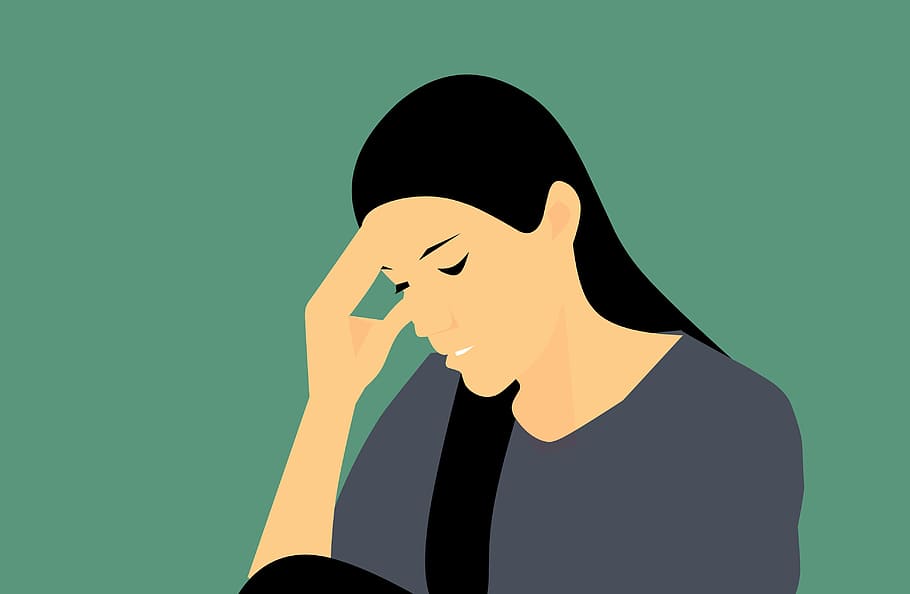
Understanding the Link between Depression and Heart Health: Strategies for a Balanced Life Introduction: Depression and heart health are interconnected in ways that go beyond the realms of physical and mental well-being. Research has unveiled a bidirectional relationship between these two conditions, emphasizing the importance of holistic care. In this article, we'll explore the link between depression and heart diseases and provide practical strategies for managing both for a healthier, more balanced life. The Connection Between Depression and Heart Diseases Unraveling the Complex Web Depression and heart diseases share more than just the spotlight of common health concerns. Studies have shown a correlation between depression and an increased risk of heart diseases. Factors such as chronic inflammation and changes in the autonomic nervous system contribute to this complex relationship. Depression as a Risk Factor for Heart Diseases Beyond Emotional Turmoil Depression isn't confined to affecting just our mood; it can have far-reaching consequences for our physical health. Individuals battling depression often engage in unhealthy lifestyle habits, such as poor dietary choices, lack of exercise, and smoking, all of which are recognized risk factors for heart diseases. Impact of Heart Diseases on Mental Health Navigating Emotional Waters A diagnosis of heart disease can trigger a cascade of emotions, leading to anxiety and depression. The lifestyle adjustments and restrictions imposed by heart conditions can add an additional layer of emotional stress. Recognizing and addressing these mental health aspects is crucial for a comprehensive approach to heart health. Shared Biological Mechanisms and Risk Factors Common Threads Understanding the shared biological mechanisms between depression and heart diseases sheds light on potential avenues for intervention. Chronic inflammation and alterations in the autonomic nervous system are key players in both conditions. Additionally, shared risk factors, such as obesity and diabetes, emphasize the importance of a holistic approach to health. Strategies for Managing Depression and Promoting Heart Health A Roadmap to Wellness Seek Professional Help: Consulting with healthcare providers, including physicians and psychologists, is a crucial first step in managing both depression and heart diseases. Lifestyle Modifications: Incorporating regular exercise, adopting a heart-healthy diet, and quitting smoking can positively impact both mental and cardiovascular well-being. Mind-Body Techniques: Practices like mindfulness meditation and yoga can help manage stress, reducing the risk of both depression and heart diseases. Medication Management: For individuals on medications, it's essential to communicate openly with healthcare providers about potential side effects and adjustments to optimize overall health. Conclusion: In the intricate tapestry of health, acknowledging the connection between depression and heart diseases is a vital step towards comprehensive well-being. By adopting a holistic approach that addresses both mental and cardiovascular health, individuals can pave the way for a more balanced and fulfilling life.


