

+918048068101

Currently it only shows your basic business info. Start adding relevant business details such as description, images and products or services to gain your customers attention by using Boost 360 android app / iOS App / web portal.

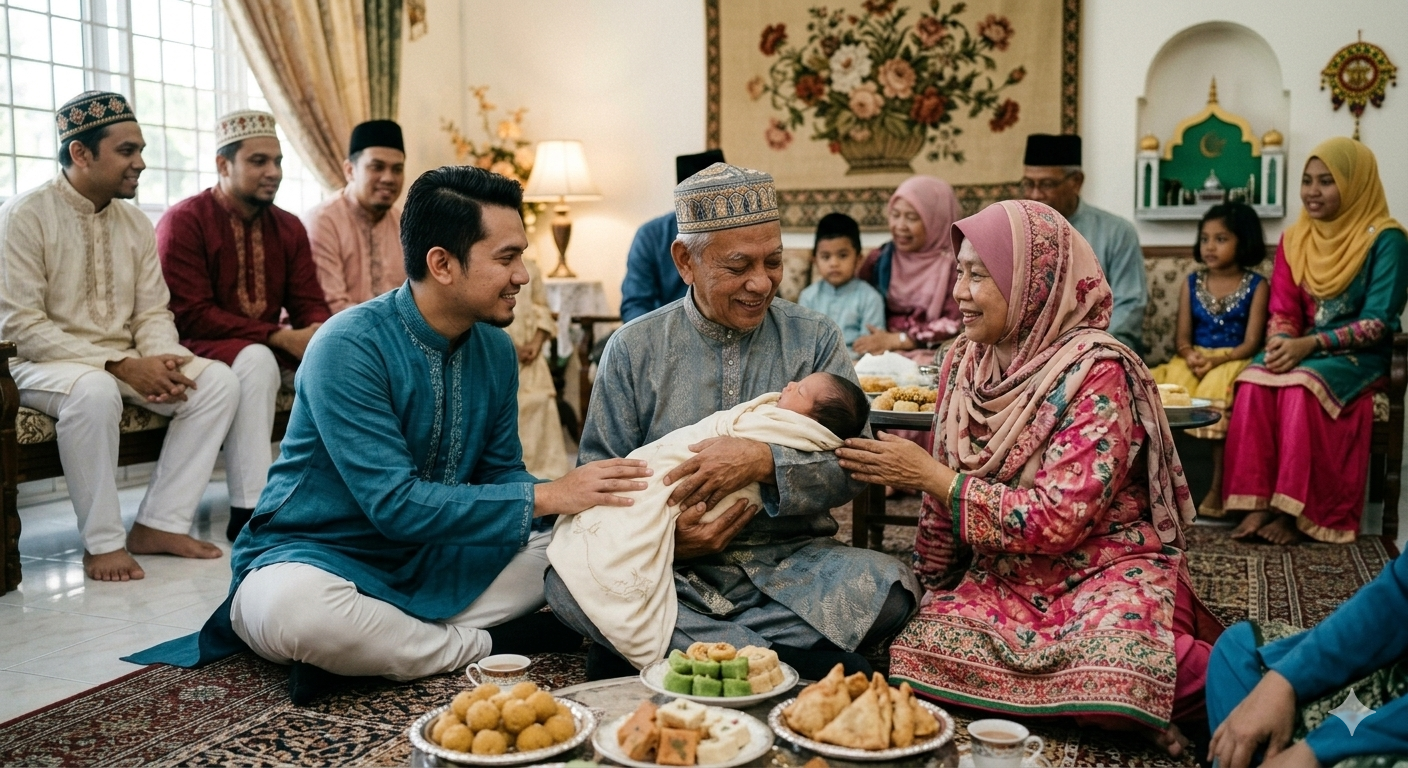
Circumcision, known in Arabic as khitan, is a significant ritual in Islam that carries religious, cultural, and social importance. While the practice predates Islam and is found in various cultures worldwide, within the Muslim community it has become a deeply rooted tradition, symbolizing purity, obedience, and belonging to the faith. Historical and Religious Foundations Circumcision in Islam is closely linked to the legacy of the Prophet Ibrahim (Abraham), who is regarded as a patriarch in Islamic tradition. According to Islamic teachings, Ibrahim circumcised himself as an act of devotion to God, and this practice was carried forward by his descendants. The Prophet Muhammad also emphasized circumcision as part of the natural acts of cleanliness (fitrah), which include trimming nails, shaving body hair, and maintaining personal hygiene. Although the Qur’an does not explicitly mention circumcision, Hadith literature (sayings and traditions of the Prophet Muhammad) strongly supports it. Many scholars consider it either obligatory (wajib) or highly recommended (sunnah mu’akkadah). This has led to its widespread acceptance and practice across Muslim societies. Symbolism and Spiritual Meaning For Muslims, circumcision is not merely a physical act but a spiritual one. It represents submission to God’s will and adherence to the path of the prophets. The ritual is often seen as a marker of identity, signifying a boy’s inclusion into the Muslim community. It is also associated with purity, as Islam places great emphasis on cleanliness in both physical and spiritual dimensions. Parents often view circumcision as a way of ensuring their child grows up aligned with Islamic values. It is a moment of pride and joy, celebrated with family gatherings, prayers, and sometimes festive meals. Timing and Customs The age at which circumcision is performed varies across cultures and regions. In some Muslim communities, it is carried out shortly after birth, while in others it may take place during early childhood or even at puberty. For example: In Middle Eastern countries, circumcision is often performed within the first few years of life. In parts of South Asia, families may wait until the child is older, sometimes organizing elaborate ceremonies. In African Muslim communities, circumcision can coincide with rites of passage into adulthood. Regardless of timing, the ritual is usually accompanied by prayers and blessings, reinforcing its spiritual significance. Medical and Social Dimensions Beyond its religious meaning, circumcision is often associated with health benefits, such as improved hygiene and reduced risk of certain infections. While medical opinions vary, many Muslim families see the practice as both a religious duty and a preventive health measure. Socially, circumcision strengthens communal bonds. Families often invite relatives and neighbors to witness the event, turning it into a celebration of faith and identity. In some cultures, gifts are given to the child, and charitable acts are performed to mark the occasion. Diversity of Practice It is important to note that practices surrounding circumcision differ widely among Muslims. Some communities emphasize elaborate ceremonies, while others treat it as a simple medical procedure. The method, timing, and cultural expressions vary, reflecting the diversity within the global Muslim population. Despite these differences, the underlying meaning remains consistent: circumcision is a ritual of purification, obedience, and belonging. It connects Muslims to their religious heritage and reinforces their sense of identity within the faith. Conclusion Ritual circumcision in Islam is more than a physical act; it is a profound expression of faith, tradition, and community. Rooted in the example of the prophets, it symbolizes purity and devotion to God. Across cultures and generations, Muslims continue to uphold this practice, weaving it into the fabric of their religious and social lives. While customs may differ, the essence of khitan—a commitment to faith and identity—remains a unifying thread in the Muslim world.


